





Orlando sits in the humid subtropical zone where air conditioning runs 10 months per year. Summer temperatures reach 95 degrees with 80% humidity, creating heat index values above 105 degrees. This constant demand stresses compressors, evaporator coils, and refrigerant lines far beyond what systems face in temperate climates. Central Florida's afternoon thunderstorms dump moisture that corrodes electrical connections and rusts condensate pans. Salt air from the Atlantic drifts inland, attacking outdoor units in neighborhoods from College Park to Audubon Park. Winter cold snaps, though brief, force heating systems to cycle rapidly, stressing heat strips and gas furnaces designed primarily for cooling. Homes built on sandy soil shift subtly over time, disconnecting ductwork at joints and dropping system efficiency by 30% or more. Orlando homeowners face higher HVAC failure rates than almost anywhere in the country. A functioning system is not a luxury here. It protects your family's health, prevents mold growth in walls and ductwork, and keeps your home livable year-round.
Summit HVAC Orlando built its reputation on showing up fast and fixing problems right the first time. We operate 24 hours per day because HVAC emergencies do not wait for business hours. Our technicians carry fully stocked vans with compressors, capacitors, contactors, thermostats, and refrigerant for same-day repairs on most residential systems. We service every major brand including Carrier, Trane, Lennox, Rheem, Goodman, and American Standard. Our team completes ongoing training on variable-speed systems, smart thermostats, and high-efficiency heat pumps to handle the newest technology in Orlando homes. We do not upsell unnecessary replacements. If your 12-year-old system needs a $300 repair, we tell you honestly instead of pushing a $6,000 replacement. When replacement makes sense, we walk you through efficiency ratings, warranty coverage, and financing options without pressure. Our pricing stays consistent whether you call at noon or midnight. No surge pricing, no hidden fees. Every estimate includes labor, parts, disposal, and warranty details in writing before we start work. Orlando families call us back because we show respect for their time, their budget, and their home.

Real people answer our phones at 3 AM, not an answering service. We dispatch certified technicians within 60 minutes across all Orlando neighborhoods. Your emergency gets immediate attention, not a callback in the morning when damage has already spread through your home.

We diagnose the actual problem using calibrated meters and pressure gauges, not guesswork. You receive a written explanation of what failed, why it failed, and what it costs to fix. We show you the broken part before we replace it. No mystery charges.
Our technicians carry OEM and universal parts for same-day repairs. Capacitors, contactors, thermostats, fan motors, and refrigerant stay organized in every vehicle. Most Orlando service calls get resolved in one visit without waiting days for parts to arrive from a warehouse.
We understand how Central Florida humidity attacks evaporator coils and how afternoon storms damage electrical components. Our maintenance plans address the specific wear patterns Orlando systems face, extending equipment life and catching failures before they leave you without cooling.
Summit HVAC Orlando handles every aspect of residential climate control from emergency breakdowns to planned system replacements. We repair central air conditioners, heat pumps, gas furnaces, and electric heating systems in homes built between 1950 and today. Our service range includes diagnostic troubleshooting when your system runs but does not cool properly, refrigerant leak detection and repair, ductwork inspection and sealing, thermostat upgrades to programmable and smart models, air quality improvements through filtration and humidity control, and complete system replacements when repair costs exceed replacement value. We separate our services into emergency repair, maintenance and prevention, and system replacement categories. Each category serves different customer needs and timelines. Emergency repair restores comfort within hours when your system fails completely. Maintenance prevents failures through scheduled inspections and tune-ups. System replacement provides long-term efficiency and reliability when your equipment reaches the end of its useful life. Orlando homeowners need all three service types at different points in their home's lifecycle.
Your system stopped working and your home is heating up fast. We diagnose compressor failures, refrigerant leaks, failed capacitors, broken contactors, bad thermostats, and electrical problems within minutes of arrival. Most repairs finish the same day using parts we carry in every van. We handle all major brands and system types common in Orlando homes. You get a written estimate before we start any repair work, and we guarantee our labor and parts with a full warranty.
Regular maintenance catches small problems before they become expensive failures. Our seasonal tune-ups include coil cleaning, refrigerant level checks, electrical connection tightening, condensate drain clearing, thermostat calibration, and airflow measurement. We inspect ductwork for leaks that waste energy and reduce comfort. Orlando's humidity and heat stress HVAC systems harder than most climates. Annual maintenance extends equipment life by years and keeps your energy bills low. We offer membership plans that include priority scheduling and discounted repairs.
Old systems waste energy and fail frequently. We replace worn-out equipment with high-efficiency models properly sized for your home's square footage, insulation, and window orientation. Our installations include load calculations to prevent oversizing, ductwork modifications if needed, new thermostats, full electrical connections, refrigerant charging, and startup testing. We pull permits for all installation work and schedule required inspections. You receive manufacturer warranties on equipment and our labor warranty on installation. Financing options help Orlando families afford efficient systems without delay.
Central Florida's climate creates specific failure patterns in residential heating and cooling systems. High humidity keeps evaporator coils wet, promoting mold growth and restricting airflow. Afternoon thunderstorms cause power surges that damage control boards and compressors. Outdoor condensing units sit in direct sun year-round, overheating electrical components and refrigerant lines. Sandy soil allows homes to settle unevenly, disconnecting rigid ductwork and dropping system efficiency. Salt air from coastal areas corrodes copper lines and aluminum fins on outdoor coils. These conditions cause Orlando HVAC systems to fail at higher rates than national averages. Most service calls involve issues directly connected to our subtropical environment. Recognizing these common problems helps homeowners spot trouble early, before a minor issue becomes a complete system failure requiring emergency service and expensive repairs.
Orlando's humidity and salt air corrode copper refrigerant lines and evaporator coils. Small leaks reduce cooling capacity gradually until your system runs constantly without lowering indoor temperature. We use electronic leak detectors and nitrogen pressure tests to find leaks, then repair or replace damaged sections and recharge your system to factory specifications.
High heat degrades electrical components faster in Florida. Capacitors store energy to start compressors and fan motors. When they fail, your outdoor unit hums but does not start, or it trips your breaker repeatedly. Contactors switch power to your compressor. Burned contacts prevent your system from turning on. Both parts fail frequently in Orlando's climate and require immediate replacement.
Your evaporator coil removes humidity from indoor air. Water drips into a condensate pan and flows through a drain line to the outside. Algae and mold grow in standing water, clogging the drain and causing water to back up into your home. Regular drain cleaning prevents water damage to ceilings, walls, and flooring. We clear blockages and treat lines to stop biological growth.
Flexible ductwork in attics sags over time from heat and gravity. Rigid ductwork separates at joints when homes settle on sandy soil. Crushed or disconnected ducts dump cooled air into attics instead of living spaces, wasting energy and leaving rooms warm. We inspect accessible ductwork, seal leaks with mastic, and reconnect separated joints to restore proper airflow throughout your home.
HVAC emergencies cause stress. Your home is uncomfortable, you worry about costs, and you need answers fast. We remove uncertainty from the service process by communicating clearly at every step. When you call our dispatch line, you speak with a trained team member who asks specific questions about your system and symptoms. We give you an accurate arrival window, usually within 60 minutes for emergencies. Our technician calls 15 minutes before arrival so you know exactly when to expect us. Upon arrival, we introduce ourselves, wear shoe covers to protect your floors, and listen carefully to your description of the problem. We ask permission before accessing your equipment and explain what we are checking as we diagnose the issue. You receive a written estimate covering labor, parts, and warranty before we start any repair work. No surprise charges appear on your final invoice. We complete the repair, test system operation, and show you that everything works properly before we leave. You receive documentation of all work performed and recommendations for preventing future issues.
We tell you exactly what we found, what it costs to fix, and how long the repair takes. Our technicians explain technical problems in plain language without talking down to you. You understand what failed, why it failed, and what we recommend to prevent it from happening again. Every estimate comes in writing with parts and labor itemized separately. You approve all costs before we start work. Your final invoice matches the estimate we provided.
We arrive in the timeframe we promise and call ahead so you are not waiting around all day. Our technicians wear shoe covers, use drop cloths to protect floors near equipment, and clean up completely before they leave. We work efficiently without rushing through diagnostics. Most repairs finish in one visit. If we need a special part, we order it immediately and return as soon as it arrives. You do not wait weeks for a follow-up appointment.
We stand behind every repair with a comprehensive labor warranty and use quality parts backed by manufacturer guarantees. If the same problem returns within the warranty period, we fix it at no additional charge. Our goal is permanent solutions, not temporary patches that fail again in three months. When we recommend additional services like duct sealing or system replacement, we explain why they matter for long-term performance and efficiency.
HVAC service should not be complicated. We follow a straightforward process that gets your system working again quickly while keeping you informed at every stage.
Call us at (321) 463-7979 any time, day or night. We dispatch a certified technician to your Orlando home within 60 minutes. Our technician arrives with diagnostic tools and common repair parts. We inspect your system thoroughly, test electrical components, check refrigerant pressures, and measure airflow. Most diagnostics take 20 to 30 minutes. We identify the failed component and explain the problem clearly.
You receive a detailed written estimate covering parts, labor, and warranty information before we start any work. We answer your questions and explain your options if multiple repair approaches exist. Once you approve the estimate, we complete the repair using quality parts from our van inventory. Most repairs finish within one to two hours. We test your system thoroughly to confirm proper operation before we leave your home.
We measure temperature output, check refrigerant pressures, verify electrical connections, and confirm your thermostat controls the system properly. You receive documentation of all repairs performed, warranty information, and maintenance recommendations. We clean our work area completely and remove all packaging and old parts. Your final invoice matches the estimate we provided. We follow up within one week to confirm your system still operates correctly.
Florida Building Code Section 1501 establishes specific requirements for residential HVAC installations in Orlando and surrounding areas. Systems must meet minimum SEER ratings of 14 for air conditioners and heat pumps installed after 2015. Higher efficiency units reaching SEER 16 to 20 reduce operating costs significantly in Florida's long cooling season. Proper refrigerant charging is critical for system performance. We follow AHRI Standard 210/240 procedures using calibrated gauges and digital thermometers to measure superheat and subcooling. Incorrect refrigerant charge reduces efficiency by 20% or more and causes premature compressor failure. Ductwork design follows Manual D calculations from the Air Conditioning Contractors of America. Undersized ducts restrict airflow and force systems to run longer cycles. Oversized ducts allow temperature stratification and reduce dehumidification. We measure actual airflow at registers using calibrated anemometers and compare results to design specifications. Load calculations determine proper system sizing. Manual J calculations account for home square footage, insulation values, window area and orientation, occupancy, and internal heat gains. Oversized systems short-cycle without removing humidity properly. Undersized systems run continuously without reaching setpoint temperature. Orlando's climate demands careful attention to dehumidification capacity. Systems must remove moisture effectively while maintaining comfortable temperatures. We select equipment with appropriate sensible heat ratios for Central Florida applications. Indoor air quality depends on proper filtration and ventilation. MERV ratings from 8 to 13 remove most airborne particles without restricting airflow excessively. We install filtration appropriate to your system's fan capacity and your family's health concerns.
Seasonal Energy Efficiency Ratio measures cooling output divided by energy input over a typical cooling season. Higher SEER ratings mean lower electric bills. Florida requires minimum SEER 14 for new installations. Units rated SEER 16 and above qualify for utility rebates in many Orlando service areas. Efficiency gains plateau above SEER 20 for most residential applications.
Proper sizing requires Manual J load calculations accounting for insulation, windows, orientation, and occupancy. Oversized systems waste energy and fail to dehumidify properly. Undersized systems run continuously without reaching desired temperature. Most Orlando homes need 400 to 600 square feet of conditioned space per ton of cooling capacity depending on insulation quality and window efficiency.
Correct refrigerant charge is critical for efficiency and equipment life. We measure superheat and subcooling using calibrated gauges and digital thermometers. Undercharged systems produce insufficient cooling and risk compressor damage. Overcharged systems waste energy and stress components. Charging by weight alone does not account for line length variations. We follow manufacturer specifications and AHRI standards for every system we service.
Filtration removes particles, allergens, and biological contaminants from circulating air. MERV ratings from 8 to 13 provide effective filtration without excessive airflow restriction. Higher MERV filters require more frequent replacement to prevent system strain. We recommend filtration appropriate to your system capacity and your family's specific health concerns including allergies and respiratory conditions common in Central Florida.
Educational video explaining common HVAC problems in Orlando including refrigerant leaks, capacitor failures, condensate drain clogs, and ductwork issues caused by Central Florida's humid subtropical climate. Covers proper diagnostic procedures, refrigerant charging standards, system sizing through load calculations, SEER efficiency ratings, and Florida Building Code requirements. Provides guidance for homeowners selecting air conditioning repair services, recognizing warning signs of system failure, and understanding maintenance that prevents breakdowns in Orlando's demanding climate conditions.
Summit HVAC Orlando operates throughout Orange County with service vehicles stationed strategically for rapid response across the metro area. We serve historic neighborhoods like College Park, Thornton Park, and Audubon Park where older homes present unique ductwork challenges and limited attic access. Downtown Orlando condominiums require specialized approaches for vertical installations and shared mechanical spaces. The Baldwin Park community features energy-efficient homes that benefit from high-SEER equipment and smart thermostat integration. Lake Nona's master-planned development includes newer construction with modern HVAC systems requiring technicians familiar with variable-speed technology and zoned climate control. Conway and Belle Isle neighborhoods near Orlando International Airport face additional salt air exposure that accelerates corrosion on outdoor condensing units. Alafaya and Waterford Lakes communities in east Orange County include townhomes and single-family residences with diverse system types from builder-grade to premium installations. Winter Park's tree-lined streets and established homes often feature aging equipment due for replacement or extensive ductwork hidden in crawl spaces requiring careful inspection. Apopka and Maitland areas north of downtown include larger lot homes with extended duct runs where proper airflow measurement prevents comfort problems. We maintain parts inventory for every system type common across Orlando's diverse housing stock. Our technicians know which neighborhoods face specific challenges like inadequate insulation in 1970s construction, undersized ductwork in 1990s tract homes, or complex zoning systems in luxury properties near Doctor Phillips and Windermere. Whether you live near Lake Eola, along Colonial Drive, near the University of Central Florida campus, or in the MetroWest community, Summit HVAC Orlando reaches your home quickly and carries the parts needed to complete most repairs the same day.
The $5000 rule is a guideline to decide between repair or replacement. Multiply your system's age by the repair cost. If the total exceeds $5000, replacement makes more financial sense. For example, a 12-year-old unit needing a $500 repair equals $6000, suggesting replacement. In Orlando's humid climate, older systems lose efficiency fast due to constant runtime. Parts availability also becomes an issue after 10 years. This rule helps you avoid throwing money at a system that will fail again soon. Factor in rising energy bills and refrigerant costs when deciding.
A new HVAC system in Florida ranges from $4500 to $12,000 depending on size, efficiency rating, and home layout. Orlando homes often need 3 to 5-ton units due to year-round cooling demands and high humidity. Higher SEER ratings (16 to 20) cost more upfront but slash electric bills in our hot climate. Ductwork modifications, permits, and removing old systems add to the total. Two-story homes or complex layouts increase installation labor. Variables include brand choice, thermostat upgrades, and whether you need emergency replacement or planned installation during off-peak months.
HVAC technicians in Orlando earn between $38,000 and $65,000 annually depending on experience, certifications, and employer type. Entry-level techs start around $16 to $18 per hour. Licensed journeymen with EPA certifications and specialty skills in variable-speed systems or commercial work earn $25 to $32 per hour. The year-round cooling demand in Central Florida creates steady employment. Overtime during summer peak season boosts earnings. Techs working for commercial contractors or specializing in service calls typically earn more than new construction installers. Certifications in refrigerant handling and heat pump technology increase pay.
The $5000 rule is a guideline to decide between repair or replacement. Multiply your system's age by the repair cost. If the total exceeds $5000, replacement makes more financial sense. For example, a 12-year-old unit needing a $500 repair equals $6000, suggesting replacement. In Orlando's humid climate, older systems lose efficiency fast due to constant runtime. Parts availability also becomes an issue after 10 years. This rule helps you avoid throwing money at a system that will fail again soon. Factor in rising energy bills and refrigerant costs when deciding.
A new HVAC system in Florida ranges from $4500 to $12,000 depending on size, efficiency rating, and home layout. Orlando homes often need 3 to 5-ton units due to year-round cooling demands and high humidity. Higher SEER ratings (16 to 20) cost more upfront but slash electric bills in our hot climate. Ductwork modifications, permits, and removing old systems add to the total. Two-story homes or complex layouts increase installation labor. Variables include brand choice, thermostat upgrades, and whether you need emergency replacement or planned installation during off-peak months.
HVAC technicians in Orlando earn between $38,000 and $65,000 annually depending on experience, certifications, and employer type. Entry-level techs start around $16 to $18 per hour. Licensed journeymen with EPA certifications and specialty skills in variable-speed systems or commercial work earn $25 to $32 per hour. The year-round cooling demand in Central Florida creates steady employment. Overtime during summer peak season boosts earnings. Techs working for commercial contractors or specializing in service calls typically earn more than new construction installers. Certifications in refrigerant handling and heat pump technology increase pay.
Installing central AC in a 2000 square-foot house costs $4000 to $9000 in Orlando. You need a 3 to 4-ton unit depending on insulation, ceiling height, and sun exposure. Single-story homes with existing ductwork cost less. Two-story layouts or homes without ducts require more labor and materials. High-efficiency systems with SEER ratings above 16 raise upfront costs but lower monthly electric bills, which matters in our climate. Older homes may need electrical panel upgrades to handle the load. Permitting and inspections add to the timeline and cost.
Your HVAC may qualify for federal tax credits under the Inflation Reduction Act if it meets efficiency standards. Heat pumps and central AC units with SEER2 ratings of 16 or higher qualify for up to $2000 in tax credits. Gas furnaces need 97 percent AFUE or higher. You must install the system in your primary residence, not rental properties. Keep manufacturer certifications and receipts for your tax filing. Florida offers no state-level HVAC tax credits, so focus on federal incentives. Utility companies in the Orlando area sometimes offer rebates for high-efficiency upgrades. Check with your installer before purchase.
A complete HVAC system for 4000 square feet costs $8000 to $18,000 in Orlando. You need a 5 to 7-ton unit or possibly two smaller systems for proper zone control. Large homes often benefit from dual systems to handle upstairs and downstairs independently, which improves comfort and efficiency. High ceilings, poor insulation, or extensive windows increase cooling load and cost. Commercial-grade equipment may be necessary for square footage this large. Ductwork design becomes critical to prevent hot spots and wasted energy. Installation takes longer and requires permits for multiple units or extensive duct modifications.
A 2000 square-foot house in Florida needs a 3 to 4-ton air conditioner, which equals 36,000 to 48,000 BTUs. Orlando's climate, insulation quality, ceiling height, and window exposure all affect sizing. Older homes with single-pane windows or poor attic insulation need larger units. Two-story layouts often require more capacity than single-story ranches. Oversizing wastes energy and creates humidity problems. Undersizing runs constantly and fails early. A Manual J load calculation is the only accurate way to size your system. Never trust square footage alone. Proper sizing prevents short cycling and extends equipment life.
The 3-minute rule prevents compressor damage by requiring a 3-minute wait between shutdown and restart. When your AC stops, refrigerant pressure needs time to equalize throughout the system. Restarting too soon forces the compressor to start against high pressure, which damages internal components and shortens lifespan. Modern thermostats have built-in delay timers to enforce this rule. If you lose power during an Orlando thunderstorm, the system automatically waits before restarting. Ignoring this rule voids warranties and leads to compressor burnout. Never rapidly cycle your thermostat on and off to cool faster.
HVAC for a 1200 square-foot house in Orlando costs $3500 to $7500 depending on efficiency and installation complexity. You need a 2 to 3-ton unit for proper cooling in our climate. Smaller homes often use package units or split systems. Existing ductwork lowers costs compared to first-time installations. High-efficiency models with SEER ratings above 16 cost more upfront but pay back through lower electric bills. Older homes may need electrical upgrades or duct sealing. Permitting and inspection fees add to the total. Off-season installation during fall or winter sometimes reduces labor costs.
$70,000 a year equals approximately $33.65 per hour in Florida based on a standard 2080-hour work year. This assumes full-time employment with no unpaid time off. Florida has no state income tax, so take-home pay is higher compared to states with income taxes. Hourly calculations help you compare salaried positions to hourly trades work in Orlando. HVAC technicians with advanced certifications can approach this income level with overtime during peak summer months. Cost of living in the Orlando metro affects whether this salary meets your needs. Housing, insurance, and transportation costs vary widely across Orange County neighborhoods.
Installing central AC in a 2000 square-foot house costs $4000 to $9000 in Orlando. You need a 3 to 4-ton unit depending on insulation, ceiling height, and sun exposure. Single-story homes with existing ductwork cost less. Two-story layouts or homes without ducts require more labor and materials. High-efficiency systems with SEER ratings above 16 raise upfront costs but lower monthly electric bills, which matters in our climate. Older homes may need electrical panel upgrades to handle the load. Permitting and inspections add to the timeline and cost.
Your HVAC may qualify for federal tax credits under the Inflation Reduction Act if it meets efficiency standards. Heat pumps and central AC units with SEER2 ratings of 16 or higher qualify for up to $2000 in tax credits. Gas furnaces need 97 percent AFUE or higher. You must install the system in your primary residence, not rental properties. Keep manufacturer certifications and receipts for your tax filing. Florida offers no state-level HVAC tax credits, so focus on federal incentives. Utility companies in the Orlando area sometimes offer rebates for high-efficiency upgrades. Check with your installer before purchase.
A complete HVAC system for 4000 square feet costs $8000 to $18,000 in Orlando. You need a 5 to 7-ton unit or possibly two smaller systems for proper zone control. Large homes often benefit from dual systems to handle upstairs and downstairs independently, which improves comfort and efficiency. High ceilings, poor insulation, or extensive windows increase cooling load and cost. Commercial-grade equipment may be necessary for square footage this large. Ductwork design becomes critical to prevent hot spots and wasted energy. Installation takes longer and requires permits for multiple units or extensive duct modifications.
A 2000 square-foot house in Florida needs a 3 to 4-ton air conditioner, which equals 36,000 to 48,000 BTUs. Orlando's climate, insulation quality, ceiling height, and window exposure all affect sizing. Older homes with single-pane windows or poor attic insulation need larger units. Two-story layouts often require more capacity than single-story ranches. Oversizing wastes energy and creates humidity problems. Undersizing runs constantly and fails early. A Manual J load calculation is the only accurate way to size your system. Never trust square footage alone. Proper sizing prevents short cycling and extends equipment life.
The 3-minute rule prevents compressor damage by requiring a 3-minute wait between shutdown and restart. When your AC stops, refrigerant pressure needs time to equalize throughout the system. Restarting too soon forces the compressor to start against high pressure, which damages internal components and shortens lifespan. Modern thermostats have built-in delay timers to enforce this rule. If you lose power during an Orlando thunderstorm, the system automatically waits before restarting. Ignoring this rule voids warranties and leads to compressor burnout. Never rapidly cycle your thermostat on and off to cool faster.
HVAC for a 1200 square-foot house in Orlando costs $3500 to $7500 depending on efficiency and installation complexity. You need a 2 to 3-ton unit for proper cooling in our climate. Smaller homes often use package units or split systems. Existing ductwork lowers costs compared to first-time installations. High-efficiency models with SEER ratings above 16 cost more upfront but pay back through lower electric bills. Older homes may need electrical upgrades or duct sealing. Permitting and inspection fees add to the total. Off-season installation during fall or winter sometimes reduces labor costs.
$70,000 a year equals approximately $33.65 per hour in Florida based on a standard 2080-hour work year. This assumes full-time employment with no unpaid time off. Florida has no state income tax, so take-home pay is higher compared to states with income taxes. Hourly calculations help you compare salaried positions to hourly trades work in Orlando. HVAC technicians with advanced certifications can approach this income level with overtime during peak summer months. Cost of living in the Orlando metro affects whether this salary meets your needs. Housing, insurance, and transportation costs vary widely across Orange County neighborhoods.
Summit proudly serves Orlando and surrounding Central Florida areas with fast, professional HVAC services. Whether you're in the heart of the city or in nearby neighborhoods, our technicians are just a call away. Use the map below to view our service area and plan your visit or consultation. We make it convenient to get expert help where and when you need it. Your comfort is always within reach with Summit.
Address:
Orlando, FL, 32801
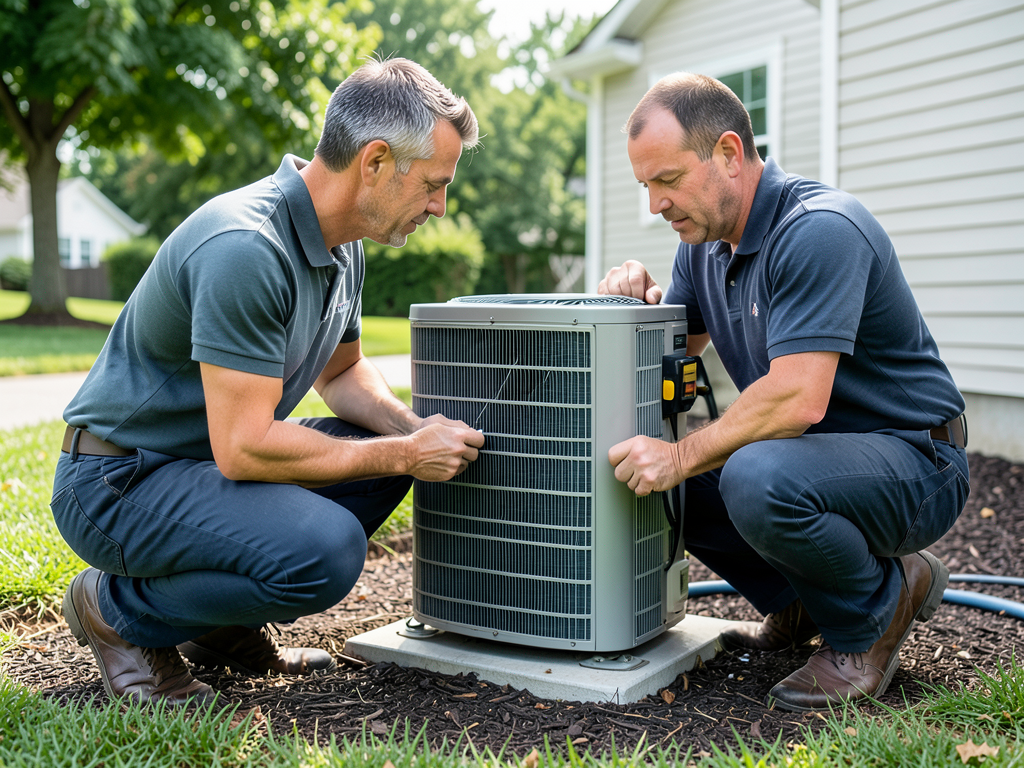
Your air conditioner's outdoor unit placement in Avalon Park directly impacts your monthly utility bills. In Orlando's intense heat and humidity, even a few feet of distance or a bit of shade can make a…
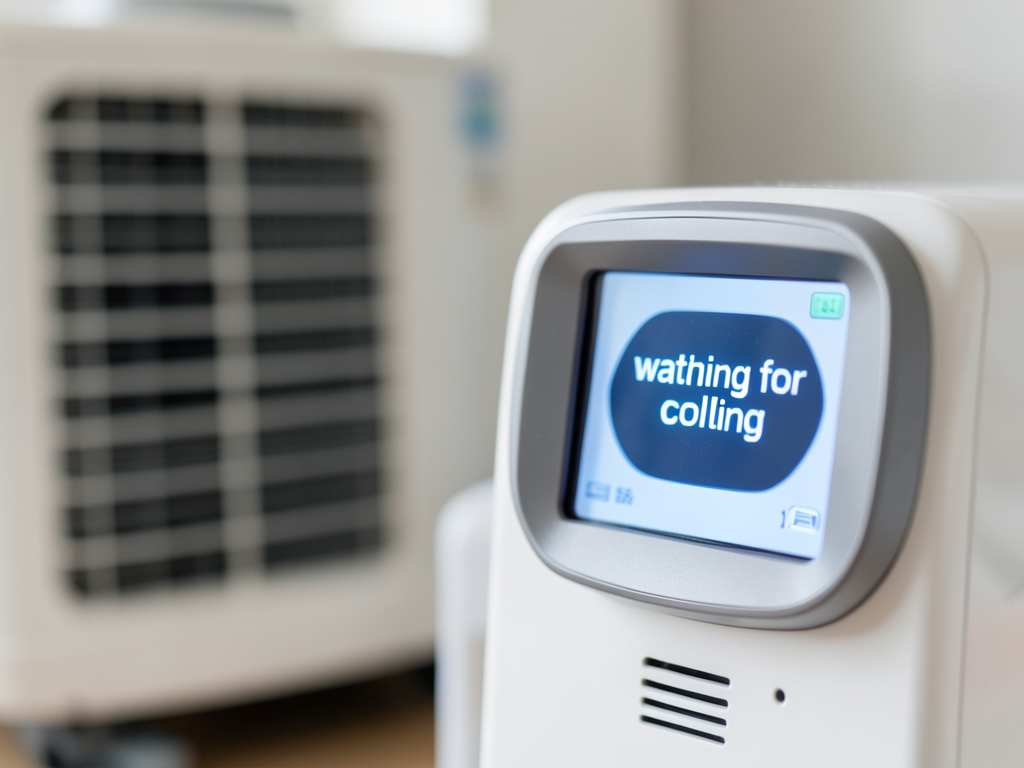
What to do if your St. Cloud thermostat says waiting for more than five minutes…
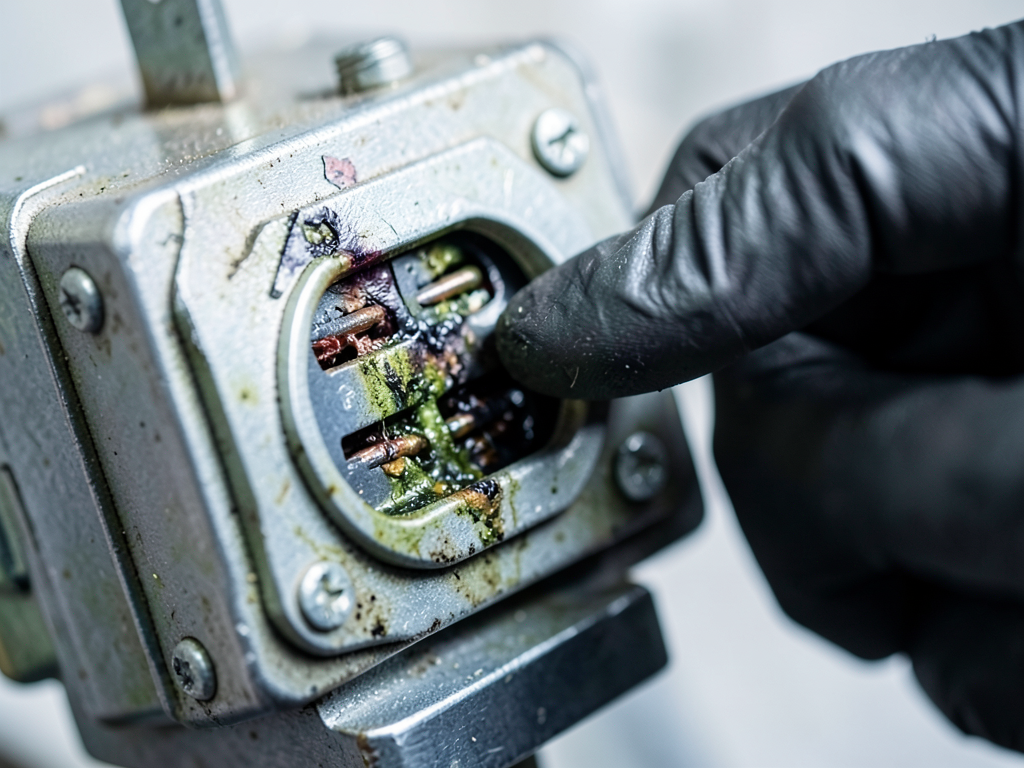
What it means when your Ocoee cooling system starts making a loud clicking sound Your…
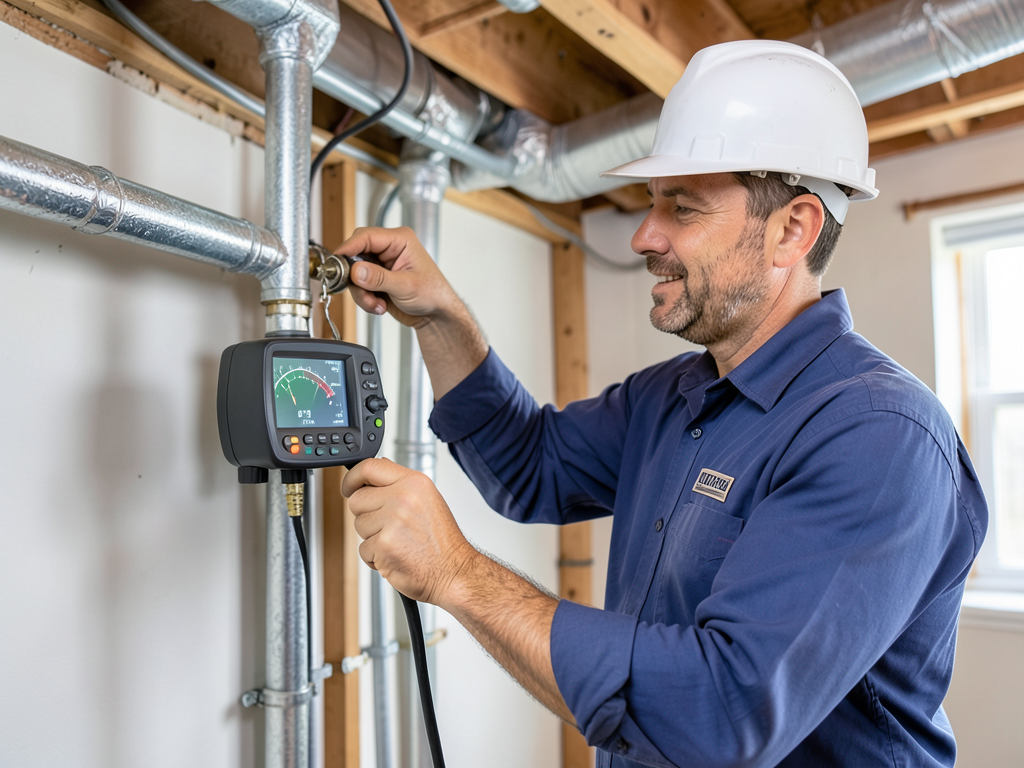
How to tell if your Celebration home builder installed the right size ductwork Your Celebration…
Your comfort matters. Call Summit HVAC Orlando at (321) 463-7979 right now for emergency service or scheduled maintenance. Our certified technicians arrive within the hour, diagnose your system accurately, and provide written estimates before starting any repair work. We serve all of Orlando 24 hours per day, seven days per week.